A Short History of Level Editors, From Lode Runner to Today
🕹️ Level editors used to be a secret. For most of gaming's early decades, the tools developers used to build a game's levels stayed locked inside the studio — players got the finished product, full stop. The idea that an ordinary player could open the same kind of tool and build something real is younger than you'd think, and tracing how it happened says a lot about where game creation is headed next.
1983: Lode Runner Ships the Tool, Not Just the Game
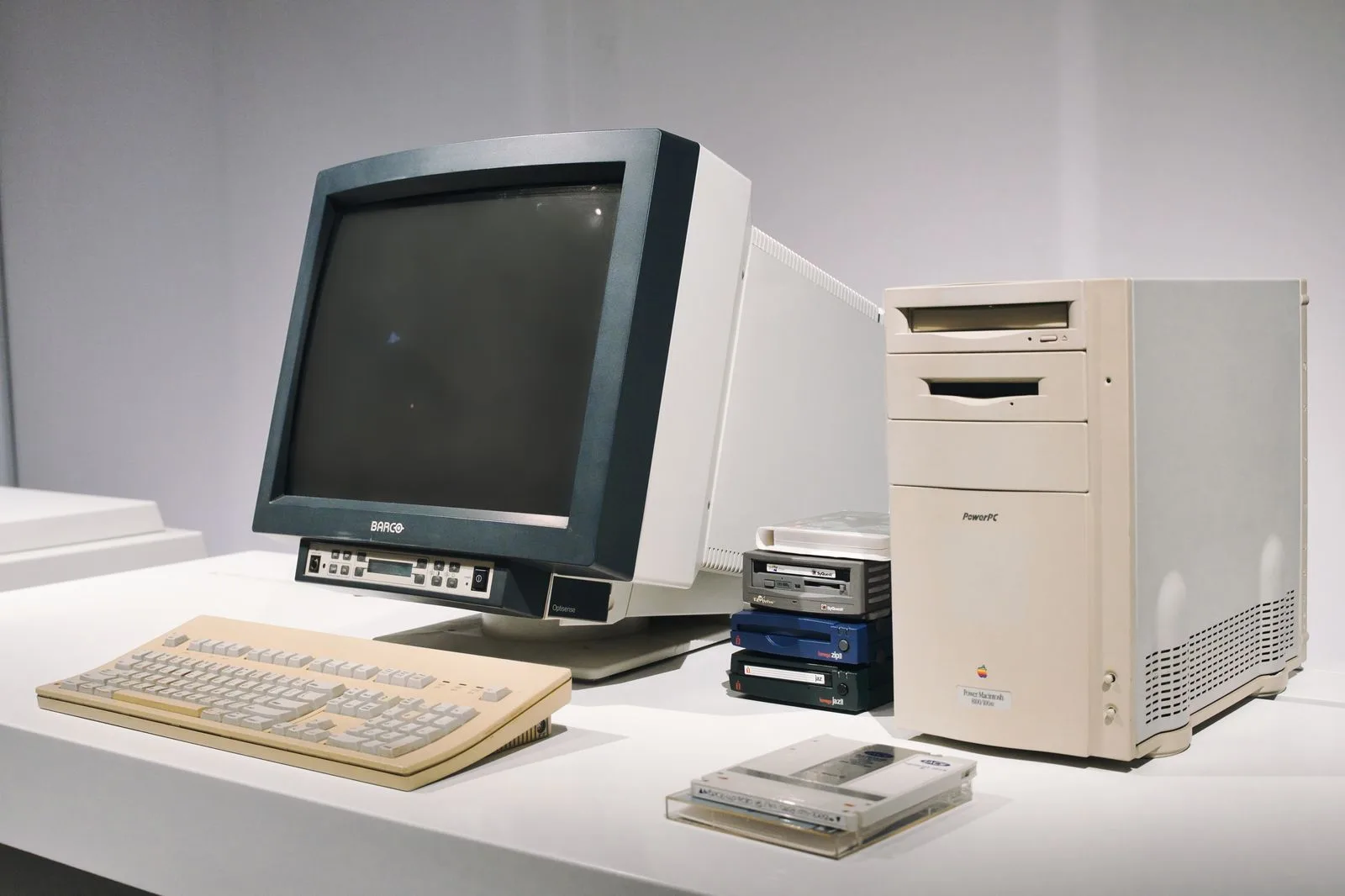
A level editor is a tool that lets someone build or modify a game's levels using the same building blocks the original developer used, rather than only playing levels the developer already finished. Lode Runner, released by Brøderbund in 1983, is widely credited as one of the first commercially released games to include one built directly into the retail product. Designer Doug Smith had already built and refined the game's 150 levels — some himself, some by kids he paid to design them. Brøderbund encouraged him to polish up his internal level-building tool and ship it directly inside the retail game.
That decision turned out to matter more than almost anything else about Lode Runner. Magazines like Computer Gaming World ran contests for the best player-made levels, and the game became Brøderbund's best-selling release up to that point. The core idea — give players the same tool the developer used, not a watered-down version — is one that level editors are still chasing more than 40 years later.
The editor wasn't a bonus feature bolted on after launch — it was the same tool the designer used to build the game itself. That distinction is the throughline for almost everything that follows.
1993–1994: Doom Leaves the Door Unlocked
id Software's Doom (1993) didn't ship with an official level editor — the studio's internal tool, DoomEd, never reached players. But Doom's level data was stored in an openly readable WAD file format, and id made no real effort to lock it down. The community took the opening: Doom Editing Utilities (DEU), built by Raphaël Quinet and Brendon Wyber, arrived just weeks after the game's release and became one of the first widely used third-party level editors.
Two Different Roads to the Same Place
Lode Runner and Doom reached the same outcome — players building real levels with real tools — through opposite mechanisms, and the difference is worth naming explicitly. Lode Runner's editor existed because a developer deliberately chose to ship it; Doom's editor existed because id Software left a file format open and the community filled the gap on their own, unprompted and unofficial. Neither path is objectively better, but they set up two competing philosophies — "ship the tool yourself" versus "leave the format open and let the community build the tool" — that game studios are still choosing between today. Both paths point at the same destination, which is why "modding" became a permanent fixture of PC gaming almost immediately afterward, well before anyone used that word.
2008: LittleBigPlanet Makes Creation the Whole Point
By the time LittleBigPlanet launched on PS3 in October 2008, "Play, Create, Share" wasn't a side feature description — it was the entire pitch. Media Molecule built a physics-based platformer where the building tools were as prominent as the campaign itself, and the interface was designed to feel like play, not like operating software.
This is the point where level creation stopped being something bolted onto a finished game and became a genre unto itself. That shift set the template for nearly every major UGC platform that followed, including the rise of user-generated content in games as a dominant industry model rather than a niche feature.
2015: Super Mario Maker Brings It to the Mainstream
Nintendo's Super Mario Maker, released in September 2015, took the same "give players the real tool" philosophy and applied it to one of gaming's most recognizable franchises. Instead of an original IP built around creation from day one, Mario Maker retrofitted the idea onto 30 years of Mario history — dragging and dropping the exact enemies, blocks, and pipes players already knew by heart.
Its success proved the model wasn't a niche interest for hobbyist tinkerers; it was mainstream enough to anchor a first-party Nintendo release. Roblox Studio and Fortnite Creative pushed the same idea further still, turning "build inside the game" into platforms with entire economies built around them.
Today: The Barrier Keeps Dropping
Each step in this history removed a barrier the last one still had. Lode Runner proved developers could share the real tool. Doom proved an open format could get you there even without one. LittleBigPlanet made creation the headline feature instead of a bonus. Mario Maker proved it could work at platform scale with a mainstream audience.
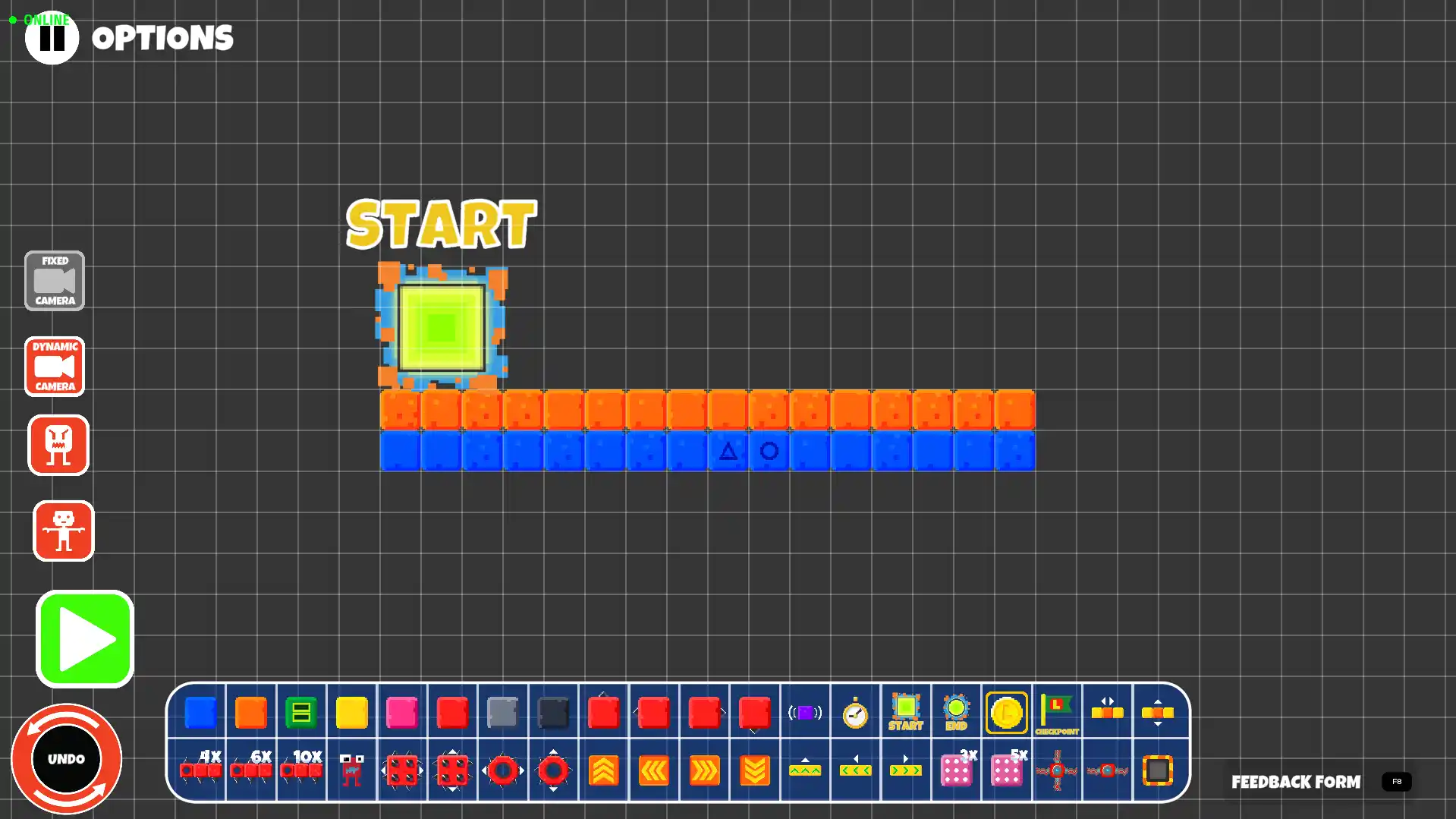
The barrier still standing after all of that was installation itself — you still needed to own the game, download it, and often create an account before you could build anything. Lokko's 2D and 3D Editors remove that last step: both run directly in the browser with no download and no account required to start placing platforms, hazards, and NPCs. It's the same "hand over the real tool" instinct that made Lode Runner's editor matter in 1983, just with one fewer thing standing between an idea and a playable level.
Try the 2D Editor Free Try the 3D Editor Free
If you want the full path from a first idea to a level other people can actually play, our creator workflow guide walks through every stage in order.
Key Takeaways
- Lode Runner (1983) is one of the first games to ship with a built-in, developer-grade level editor rather than a locked-down finished product.
- Doom (1993) showed that an open file format could produce the same outcome through community tools like DEU, even without an official editor.
- LittleBigPlanet (2008) made creation the core identity of the game itself, not a bonus feature — a model UGC platforms still follow today.
- Super Mario Maker (2015) proved the same idea could work at mainstream, platform scale.
- Lokko's browser-based 2D and 3D Editors continue the trend by removing the download-and-account barrier entirely.
See that lineage in action in our roundup of community-built levels worth playing this month.
Frequently Asked Questions
What was the first video game with a built-in level editor?
Lode Runner (1983) is widely credited as one of the very first commercially released games to ship with a built-in level editor, letting players design and save their own levels using the same tool the developer used.
How did Doom change level editing?
id Software didn't ship an official level editor with Doom (1993), but the game's open WAD file format let the community reverse-engineer it — Doom Editing Utilities (DEU), released just weeks after launch, became one of the first widely used third-party level editors and helped kick off modern game modding.
What made LittleBigPlanet different from earlier level editors?
LittleBigPlanet (2008) built its entire game around the tagline 'Play, Create, Share' — creation wasn't an optional side feature bolted onto a finished game, it was the game's core identity, and its physics-based tools made building feel like play rather than technical work.
Do I need to download anything to try a modern level editor?
Not with every tool. Lokko's 2D and 3D Editors run directly in the browser with no download and no account required to start building, continuing a decades-long trend of level creation getting more accessible over time.